Cosmology with DESI Emission-Line Galaxies
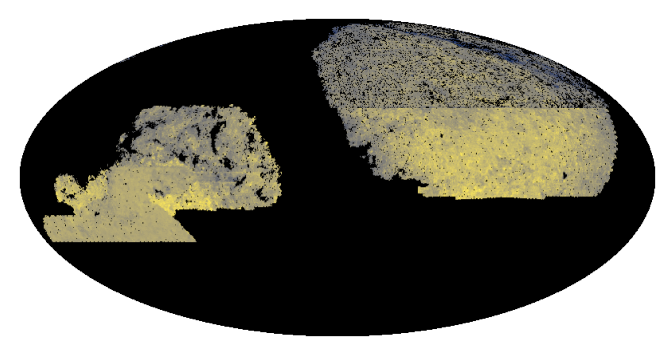

I am an observational astronomer and an observational cosmologist by training. My academic research interests can be broadly classified into two categories: understanding and constraining physics from large cosmological datasets and developing statistical models to analyze such datasets. During my Ph.D. I mostly focused on understanding how a novel tracer of the Large-Scale Structures, the Emisison-Line Galaxies (ELGs), can be used to constrain cosmological models in the context of the Dark Energy Spectroscopic Instrument (DESI).
Currently, I am co-leading the Lyman-Break Galaxies Topical Team within the Dark Energy Science Collaboration. Our goal is to constrain cosmological models using data from the 2 < z < 5 redshift Universe.
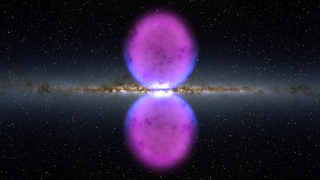
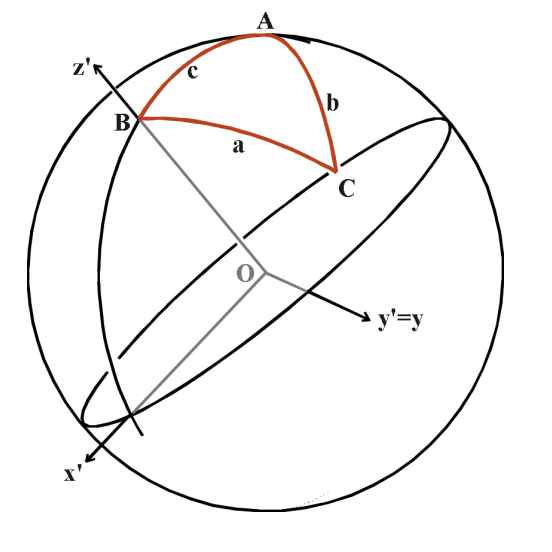
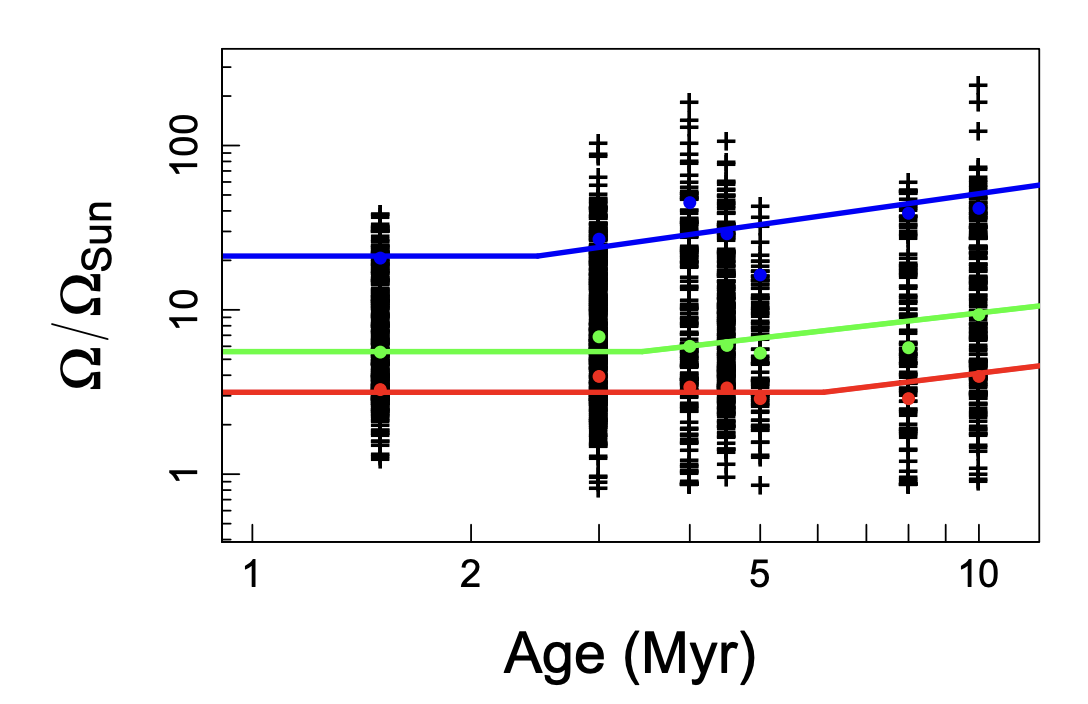
Additionally, I have worked on various Milky Way-related observational projects such as characterizing the high-velocity clouds in the Milky Way halo, characterizing T Tauri stars in the Orion OB1 association, and measuring the height of the Sun above the Milky Way plane.
As a new postdoc, I am now excited to venture into Machine Learning and Artificial Intelligence-driven projects and to understand how we can use these powerful techniques to study our Universe with unprecedented precision. I am also interested in exploring the bridge between theory and observation - how do we know that we have learned something new about a model from data? If you are interested in collaborating, please reach out!